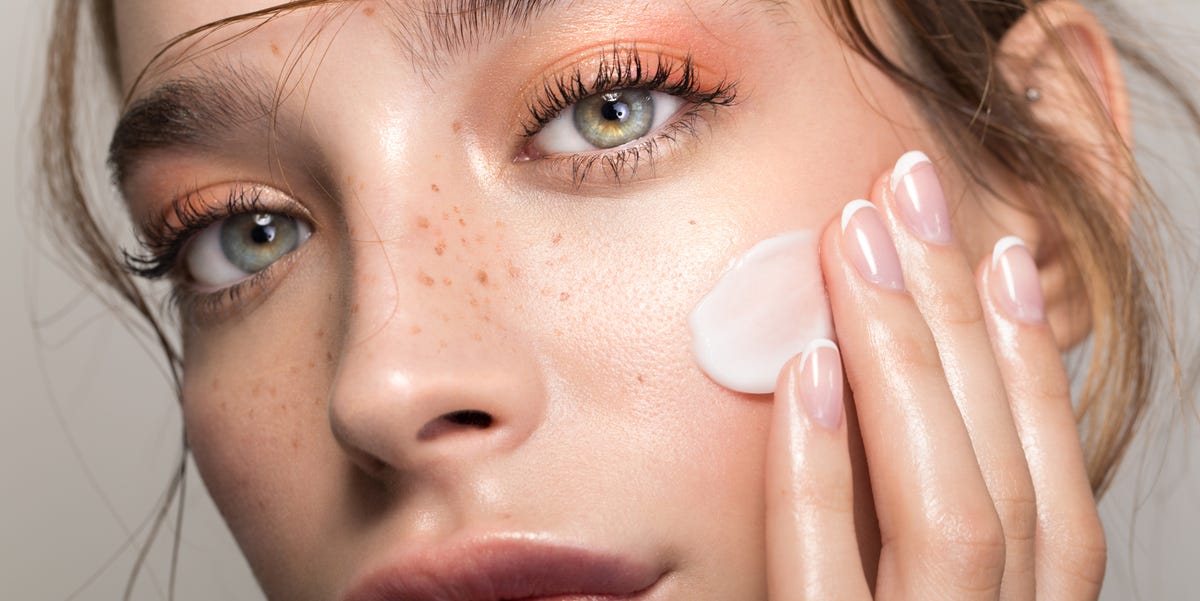
Calm Facial Redness: Find Triggers & Soothe Sensitive Skin
Facial redness can be an irritating and confidence-sapping concern for many. Whether it's persistent blotchiness, an angry breakout, or a sudden flush, understanding the root cause is the first step toward achieving a calmer, more even complexion. The good news is that there are numerous effective strategies, both for immediate relief and long-term management, to help you understand how to reduce redness on face quickly and keep it at bay.
Understanding Facial Redness: More Than Just a Blushing Moment
Redness on the face isn't just a sign of embarrassment; it's often a signal that your skin is irritated, inflamed, or reacting to something in its environment. Several factors can contribute to facial redness, and identifying your specific triggers is paramount to effective treatment:
- Acne & Breakouts: Pimples often come with accompanying inflammation, causing the surrounding skin to turn red and become sensitive.
- Sensitive Skin: Some individuals naturally have more reactive skin, easily irritated by ingredients, environmental changes, or even stress.
- Allergic Reactions: New products, cosmetics, or even detergents can trigger an allergic response, leading to widespread redness, itching, or swelling.
- Environmental Factors: Exposure to extreme temperatures (hot or cold), wind, or sun can aggravate sensitive skin and cause flushing.
- Underlying Conditions: Conditions like rosacea, eczema, or seborrheic dermatitis manifest with chronic facial redness and require specific medical approaches.
The key takeaway here is that while redness might look similar, its origin can vary wildly. Tailoring your approach to your specific "offender" will yield the best results for a clearer, calmer complexion.
Immediate Relief: How To Reduce Redness On Face Quickly
When you're faced with an unexpected flare-up, quick action can make a significant difference. Here are some proven methods for providing rapid relief and visibly reducing redness on your face:
Targeted Spot Treatments for Fast Redness Reduction
- The Power of Cold Compression: One of the fastest ways to constrict blood vessels and reduce inflammation is with cold. Wrap an ice cube in a soft paper towel or cloth and gently hold it against the red area for about 10-20 minutes. Avoid applying ice directly to the skin, as this can cause irritation or freezer burn.
- Chilled Cucumber Slices: Beyond just a spa aesthetic, cucumbers are rich in antioxidants and boast a natural cooling effect. Chill a few slices of cucumber in the refrigerator, then place them directly onto the inflamed areas. Leave them on until they warm up, providing a soothing and hydrating treat for your skin.
- Over-the-Counter Redness Relief Products: Many pharmacies stock products specifically formulated to calm redness. Look for ingredients like hydrocortisone (for temporary relief of inflammatory redness), green tea extract, chamomile, or licorice root, which are known for their anti-inflammatory properties. These can often provide a noticeable reduction in redness within a few hours.
- Tea Tree Oil for Blemishes: If your redness is primarily due to a pesky pimple, a dab of diluted tea tree oil can be highly effective. Known for its antiseptic and anti-inflammatory properties, tea tree oil can help dry out the blemish and reduce the surrounding inflammation. Always dilute it with a carrier oil (like jojoba or almond oil) before applying to avoid further irritation, and patch test first. For more detailed strategies on managing acne-related redness, consider exploring Quickly Reduce Acne Redness: Ice, Tea Tree Oil & More.
The 'Hands-Off' Approach: Essential for Healing
This might seem obvious, but it's crucial: avoid touching or picking at your face, especially pimples. As tempting as it is to squeeze or scratch, this action only exacerbates redness and inflammation. Popping a pimple can push bacteria deeper into the skin, leading to more significant inflammation, potential scarring, and a prolonged healing time. Keeping your hands away prevents the spread of bacteria and oils, allowing your skin to heal naturally and reducing the risk of further irritation.
Long-Term Strategies: Uncovering and Eliminating Triggers
While immediate remedies offer temporary relief, truly calming facial redness requires a more systematic approach to identify and avoid your personal triggers. This involves becoming a detective for your own skin.
Skincare Detective Work: Identifying the Culprit
- The Elimination Diet for Your Skin: If you suspect a product is causing your irritation, implement a skincare "elimination diet." Cut back on all cosmetics, skincare products, and even hair products that might come into contact with your face. Slowly reintroduce them one by one, giving your skin a few days to a week with each new product before adding another. Start with the products you've added most recently, as they are often the most likely culprits. This methodical approach helps pinpoint the exact product or ingredient causing the reaction.
- Professional Guidance: If self-testing doesn't yield answers, consider scheduling an appointment with an allergist or dermatologist. They can perform patch tests, applying small amounts of common irritants to your skin and monitoring for reactions, offering a precise diagnosis.
- Embrace Sensitive Skin Formulations: If you discover you simply have sensitive skin, look for product lines specifically designed for delicate complexions. Brands like Aveeno Ultra-Calming or Eucerin Redness Relief are classic examples, often formulated without common irritants like fragrances, dyes, or harsh chemicals. Once you identify a problematic chemical, meticulously check product labels and eliminate anything containing that ingredient.
Gentle Cleansing and Hydration: The Foundation of Calm Skin
Your daily skincare routine plays a monumental role in managing facial redness. The right habits can soothe, while the wrong ones can inflame.
- Wash with Warm Water (Not Hot or Cold): Extreme water temperatures can strip your skin of its natural oils, leading to dryness and increased irritation. Opt for lukewarm water for both washing and rinsing.
- Choose Sensitive, Fragrance-Free Cleansers: Harsh cleansers, especially those containing alcohol, sulfates, or strong fragrances, can compromise your skin's protective barrier, making it more prone to redness. Instead, select a gentle, non-foaming cleanser designed for sensitive skin, such as Cetaphil or Purpose. Pat your face gently dry with a soft towel instead of rubbing, which can create friction and irritation.
- Moisturize Immediately: After cleansing, while your skin is still slightly damp, apply a rich, hydrating facial moisturizer. This traps water in the skin, helping to repair the skin barrier and prevent dryness, a common precursor to redness. Look for non-comedogenic formulas to avoid clogging pores.
- Targeted Ingredients:
- For redness associated with general inflammation, cleansers or serums containing mild anti-inflammatory ingredients like sulfates (e.g., in some rosacea-specific products like Rosanil) can be beneficial.
- If your redness is primarily due to acne and you do not have sensitive skin, products with benzoyl peroxide (like Clearasil) can help by killing acne-causing bacteria and reducing inflammation. Always use these judiciously, as they can be drying.
Cultivating these gentle skincare habits is crucial for maintaining a healthy skin barrier and reducing redness. For a deeper dive into optimal routines, explore Reduce Redness on Face: Essential Skincare Habits & What to Avoid.
When to Seek Professional Help
While many cases of facial redness can be managed with home remedies and careful skincare, there are times when professional medical attention is essential:
- Severe Allergic Reactions: If redness is accompanied by severe swelling of the face, especially around the lips or tongue, or if you experience trouble breathing, seek immediate medical attention. In the United States, call 911.
- Persistent or Worsening Redness: If your redness doesn't improve with consistent home care, or if it worsens over time, a dermatologist can diagnose underlying conditions like rosacea, eczema, or specific allergies and prescribe appropriate treatments.
- Painful or Deep-Seated Blemishes: Cysts or nodules that are deep, painful, and persistent should be evaluated by a professional to prevent scarring.
Facial redness doesn't have to be a permanent fixture in your life. By understanding your skin's unique triggers, implementing immediate soothing techniques, and committing to a consistent, gentle skincare routine, you can significantly calm irritation and reduce redness. Remember that patience and consistency are key. Listen to your skin, be proactive in identifying what causes it distress, and don't hesitate to seek professional guidance when needed. With the right approach, a clear, calm, and confident complexion is well within reach.