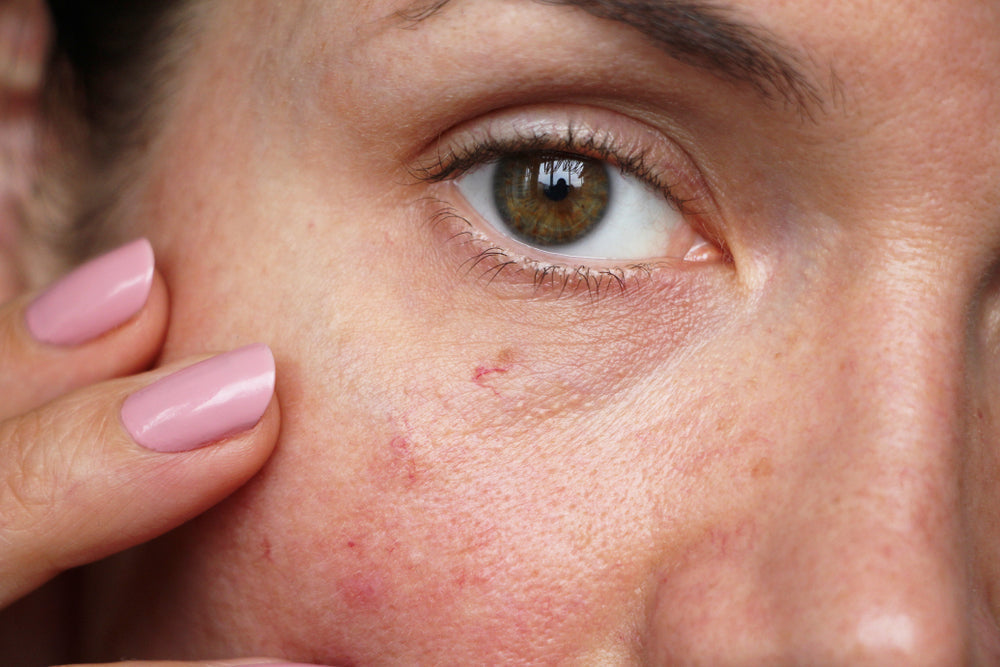
Reduce Redness on Face: Essential Skincare Habits & What to Avoid
Facial redness can be a persistent and frustrating concern, whether it stems from an unexpected breakout, chronic sensitivity, or an environmental reaction. The desire to know
how to reduce redness on face quickly is universal for anyone dealing with an irritated complexion. While some redness might be temporary and easily managed, other forms require a more systematic approach to identify triggers and soothe the skin. This comprehensive guide will delve into immediate remedies, crucial long-term strategies, and essential skincare habits to help you achieve a calmer, more even-toned complexion.
Immediate Relief: Quick Fixes for Sudden Redness
When your skin flares up, finding a rapid solution is often the top priority. Fortunately, several techniques can offer quick relief from sudden redness and inflammation.
- Cold Compress Therapy: One of the most effective and simplest methods is applying a cold compress. Wrap an ice cube in a soft cloth or paper towel and gently hold it against the inflamed area for about 10-20 minutes. The cold constricts blood vessels, which helps to reduce blood flow to the surface of the skin, thereby diminishing redness and swelling. This method is particularly useful for angry pimples or localized irritation.
- Chilled Cucumber Slices: Cucumbers are renowned for their soothing and anti-inflammatory properties. Chill a few slices of cucumber in the refrigerator and place them directly onto the affected areas. Leave them on until they warm up. The natural antioxidants and cooling effect can help calm irritated skin.
- Over-the-Counter Redness Relief Products: Many pharmacies stock products specifically designed to reduce redness. Look for creams or serums containing ingredients like hydrocortisone (for short-term use, especially for allergic reactions), calamine, or niacinamide. These can help to calm inflammation and support the skin's barrier function. Always follow product instructions carefully.
- Targeted Treatment with Tea Tree Oil: For redness associated with breakouts, a dab of tea tree oil can be beneficial. Known for its antimicrobial and anti-inflammatory properties, tea tree oil can help reduce the size and redness of pimples. However, it's potent, so always dilute it with a carrier oil (like jojoba or almond oil) and perform a patch test first to ensure you don't have a sensitivity. For more detailed tips on managing acne-related redness, consider reading our article: Quickly Reduce Acne Redness: Ice, Tea Tree Oil & More.
What to Avoid When Your Skin is Red:
While trying to soothe redness, it's equally important to avoid actions that can exacerbate the problem:
- Do NOT Pop Pimples: This is arguably the most critical rule. Squeezing or picking at pimples not only introduces more bacteria but also damages the skin, leading to increased inflammation, deeper redness, and potential scarring.
- Keep Your Hands Off Your Face: Our hands carry oils and bacteria that can transfer to the face, worsening existing irritation or triggering new breakouts. Be mindful of unconsciously touching your face throughout the day.
- Avoid Harsh Scrubs or Exfoliants: When skin is red and inflamed, it's already compromised. Abrasive physical scrubs or strong chemical exfoliants (like high concentrations of AHAs/BHAs) can further irritate and damage the skin barrier.
- Hot Water: While tempting, extremely hot water can strip the skin of its natural oils, leading to dryness and increased redness. Stick to lukewarm water for cleansing.
Long-Term Strategy: Identifying & Eliminating Triggers
For persistent or recurring facial redness, quick fixes are only a temporary solution. A more sustainable approach involves understanding and addressing the root causes.
The Product Detective: Finding the Offender
One of the most common causes of redness is a reaction to a skincare, cosmetic, or even hair product. Your skin might be experiencing an allergic reaction, contact dermatitis, or simple irritation from an ingredient.
- The Elimination Method: If you suspect a product is the culprit, try cutting back on all non-essential items in your routine. Then, slowly reintroduce them one by one over several weeks. This allows you to pinpoint exactly which product or ingredient might be causing the issue. Start with the products you've added most recently, as these are often the most likely triggers.
- Common Irritants to Watch For: Pay close attention to ingredients like artificial fragrances, dyes, harsh alcohols (denatured alcohol), sulfates (SLS, SLES), and even certain essential oils, which can be irritating for sensitive skin types.
- Sensitive Skin Solutions: If you have generally sensitive skin, look for product lines specifically formulated for sensitive or redness-prone complexions. Brands like Aveeno Ultra-Calming, Eucerin Redness Relief, or La Roche-Posay Rosaliac are popular choices designed to be gentle and non-irritating. These often feature soothing ingredients like feverfew, oat extract, or thermal spring water.
- Professional Consultation: If the redness is severe, persistent, or you can't identify the cause, schedule an appointment with an allergist or dermatologist. They can perform patch tests to identify specific chemical sensitivities or diagnose underlying conditions like rosacea or eczema, which require tailored treatment plans. For more on identifying and soothing sensitive skin, read: Calm Facial Redness: Find Triggers & Soothe Sensitive Skin.
When to Seek Immediate Medical Attention:
While most facial redness is benign, severe cases can indicate a medical emergency. If redness is associated with swelling of the face, especially the lips or tongue, or if you experience trouble breathing, seek immediate medical attention by calling emergency services in your region.
Foundational Skincare Habits for a Calmer Complexion
Beyond identifying triggers, adopting a consistent, gentle skincare routine is paramount for managing and preventing facial redness.
- Gentle Cleansing is Key: Wash your face 1-2 times a day, using lukewarm water. Both hot and cold water can exacerbate redness and dryness. Choose a mild, fragrance-free cleanser designed for sensitive skin, avoiding any that contain alcohol or harsh drying agents. Products like Cetaphil Gentle Skin Cleanser or Purpose Gentle Cleansing Bar are excellent examples. When drying, pat your face gently with a soft towel; never scrub, which can further irritate the skin. If your redness is associated with pimples and you don't have sensitive skin, cleansers with ingredients like benzoyl peroxide (e.g., Clearasil) or even sulfates (like in some Rosanil formulations, if appropriate for your condition) can be helpful in managing breakouts and inflammation.
- Moisturize Diligently: After cleansing, immediately apply a soothing, fragrance-free facial moisturizer. Moisturizers help to strengthen the skin's barrier, trap hydration, and protect against environmental irritants. Look for ingredients like ceramides, hyaluronic acid, glycerin, or colloidal oatmeal, which are known for their hydrating and barrier-repairing properties. Keeping the skin adequately moisturized can significantly reduce overall sensitivity and redness.
- Prioritize Sun Protection: Sun exposure is a major trigger for redness, especially for individuals with rosacea or post-inflammatory erythema (PIE) from acne. Incorporate a broad-spectrum sunscreen with an SPF of 30 or higher into your daily routine, even on cloudy days. Opt for mineral sunscreens containing zinc oxide and titanium dioxide, as these are generally less irritating than chemical sunscreens.
- Consider Lifestyle Factors: Beyond topical treatments, certain lifestyle choices can impact skin redness. Ensure you're staying well-hydrated by drinking plenty of water. Manage stress through techniques like meditation or yoga, as stress can often worsen skin conditions. Some people find that certain foods (e.g., spicy foods, alcohol, caffeine) can trigger or worsen their redness; if you notice a pattern, consider reducing or eliminating these from your diet.
- Makeup for Camouflage: While not a solution, a green-tinted color corrector can be a lifesaver for temporarily neutralizing redness before applying foundation. Green is opposite red on the color wheel, effectively canceling out the hue.
Conclusion
Living with facial redness doesn't have to be a constant struggle. By understanding the immediate steps you can take to calm a flare-up, diligently working to identify and eliminate potential triggers, and committing to a gentle, consistent skincare routine, you can significantly improve your complexion. Remember that patience and consistency are key when it comes to skin health. If your redness persists or worsens, don't hesitate to consult a dermatologist who can provide a personalized diagnosis and treatment plan to help you achieve the clear, calm skin you desire.